15-Minute Winter Home Checklist to Prevent Emergencies

In winter, home issues don’t give you a heads-up. A small leak can turn into a big mess, a smoke detector with a dead battery can fail when you need it most, and a dirty HVAC filter can quietly raise your energy bill.
The good news: in 15 minutes, you can check the most important items to help prevent common winter emergencies. This checklist is fast, clear, and simple.
What you’ll need (optional, but helpful)
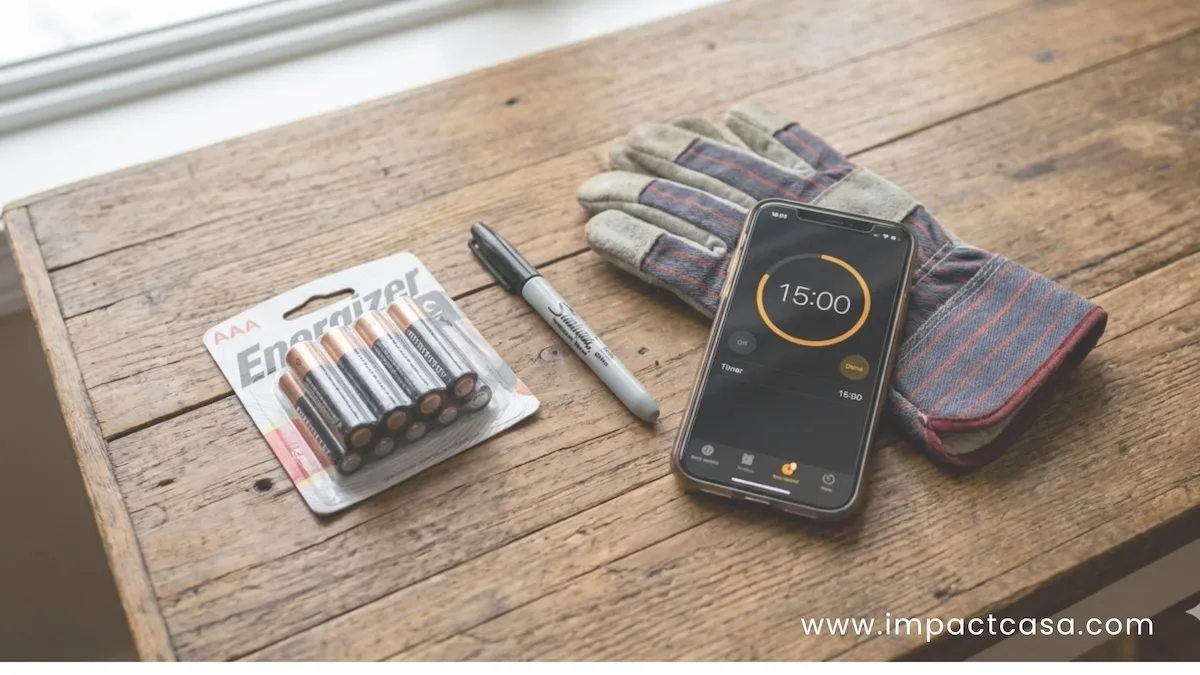
- AA/AAA batteries (just in case)
- A marker (to write dates)
- A rag or gloves (if you’re checking a utility area)
- Your phone (to set reminders)
1) Smoke & Carbon Monoxide (CO) Detectors (2 minutes)
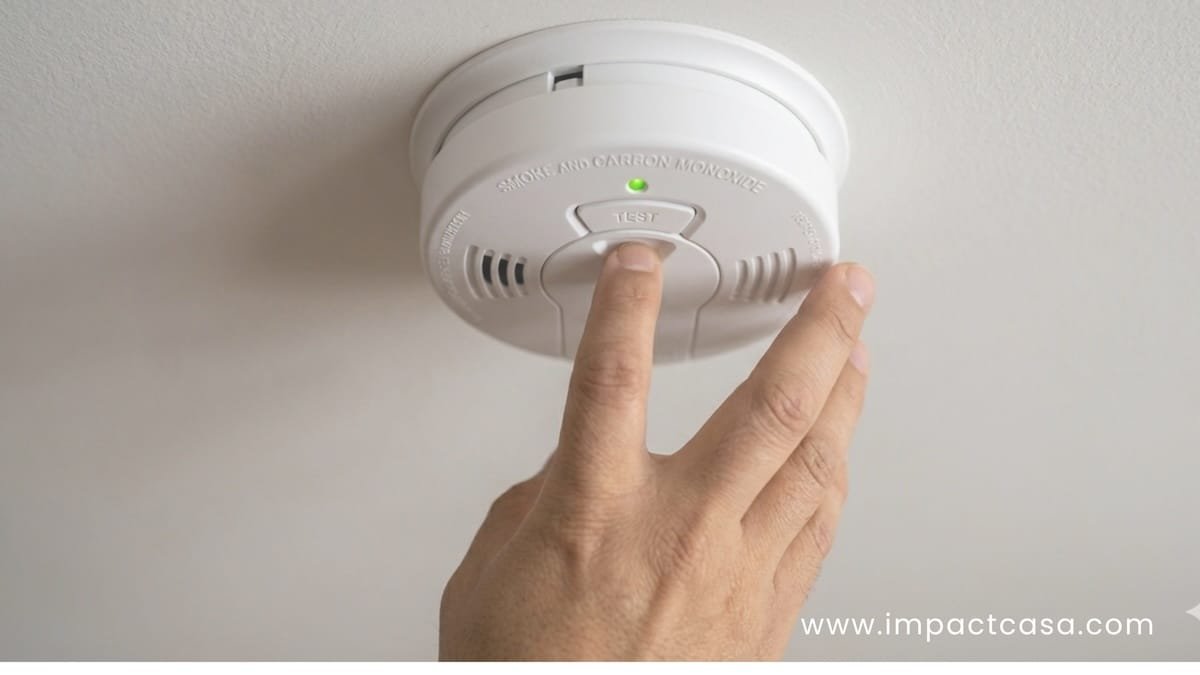
In winter we use heating, ovens, fireplaces, and sometimes space heaters—raising the risk of smoke and carbon monoxide.
Do this:
- Press the TEST button on each detector.
- If it sounds weak or doesn’t beep, replace the battery.
- If the detector is 10+ years old, consider replacing it.
Quick tip: If you have gas heat, a fireplace, or an attached garage, a CO detector is essential.
2) Replace Your HVAC Filter (3 minutes)
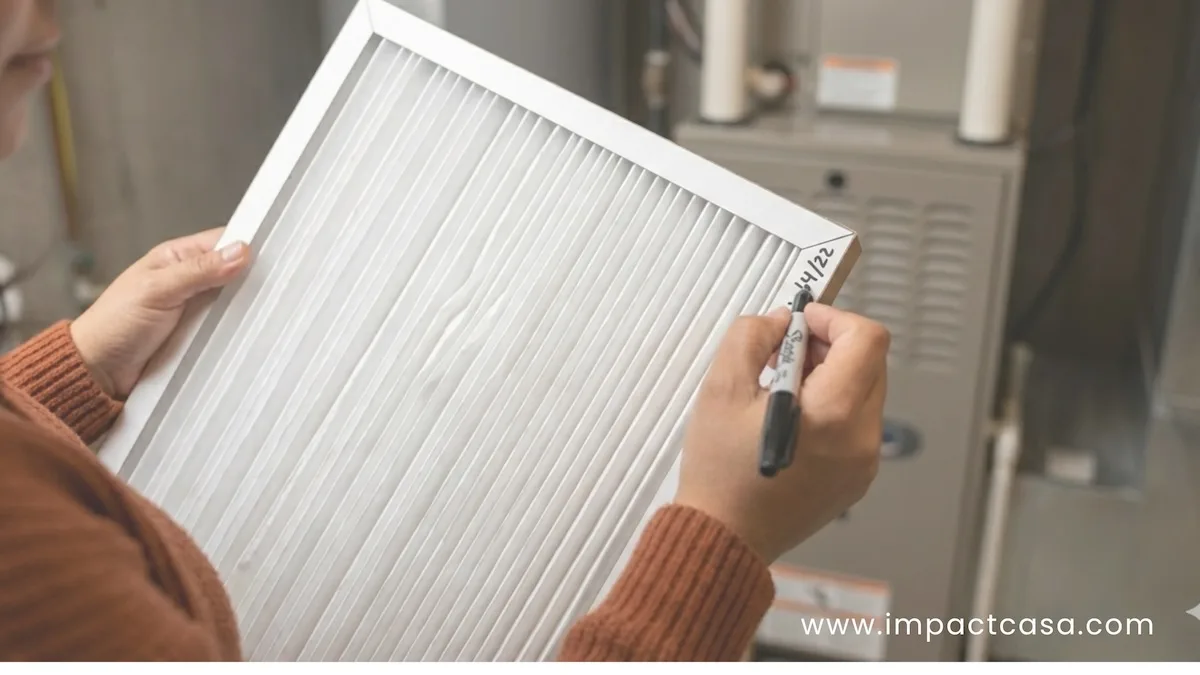
A dirty filter = your system works harder, heats less, and your bill goes up.
Do this:
- Remove the filter and check if it’s gray or packed with dust.
- Replace it if you haven’t in 30–90 days (depends on use, pets, allergies).
- Write the date on the filter frame with a marker.
3) Find Your Main Water Shut-Off Valve (2 minutes)
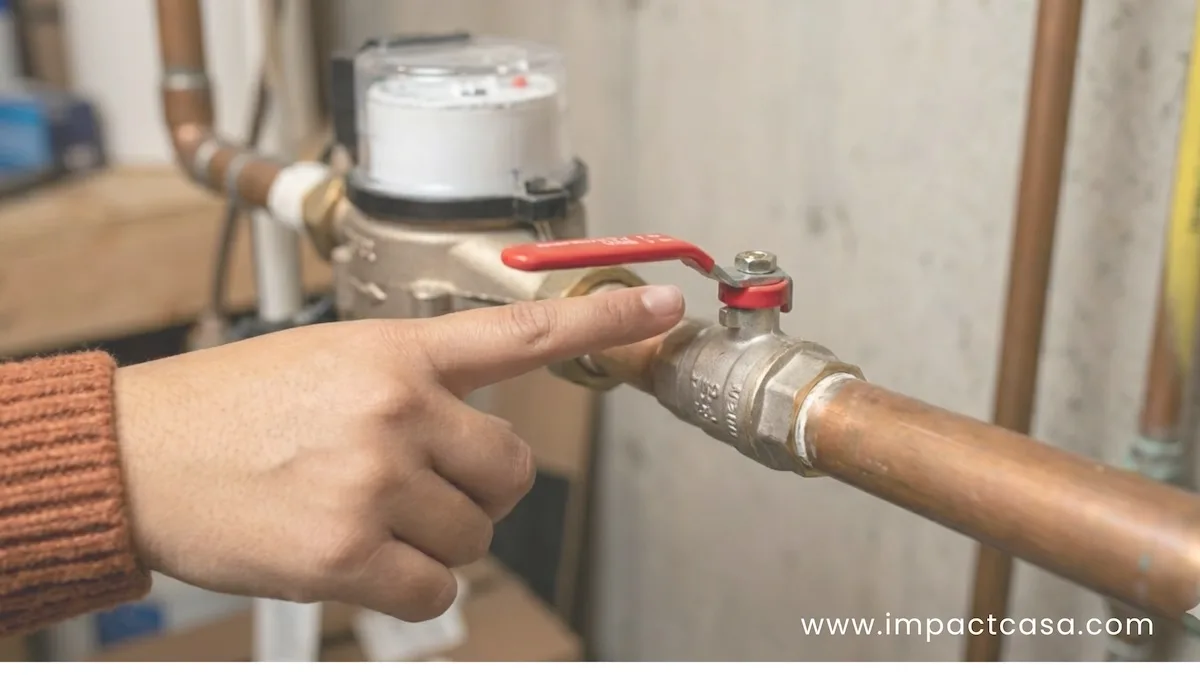
Most people don’t know where it is… until water is already on the floor.
Do this:
- Locate the main shut-off (basement, utility room, near the water meter, or garage).
- Turn it gently to make sure it’s not stuck (don’t force it).
- If you’re traveling, knowing this can save you big.
4) Quick Leak Check (2 minutes)
Cold weather and heavy use can reveal problems fast.
Do this:
- Look under sinks: any moisture, drips, or musty smell?
- Check around the water heater: any puddle, rust, or corrosion?
- If you notice a drip, handle it soon—winter makes everything worse faster.
5) Doors & Windows: “Hunt” for Cold Air (2 minutes)
If cold air gets in, your heating system is paying for it.
Do this:
- Run your hand around the edges of doors and windows.
- If you feel drafts, note it for weather stripping or caulk.
- Make sure exterior doors close tight; adjust the latch if they don’t seal.
6) Outside Quick Check: Hoses & Outdoor Faucets (2 minutes)
In cold areas, this helps prevent frozen pipes.
Do this:
- Disconnect outdoor hoses.
- If your home has a shut-off for exterior water, consider turning it off and draining (if applicable).
- If a hard freeze is coming, use faucet covers for outdoor spigots.
7) Roof & Gutters: Visual Check (2 minutes)
Clogged gutters + rain/ice = water going where it shouldn’t.
Do this (no roof climbing):
- Look at gutters from the ground—do they look packed or overflowing?
- After high winds, scan for loose shingles or visible damage.
- If you see ceiling stains or damp spots indoors, don’t ignore them.
8) Space Heaters & Cords: The Silent Emergency Risk (2 minutes)
In winter, people use space heaters, extension cords, and power strips—this is where many accidents happen.
Quick checklist:
- Keep heaters at least 3 feet away from curtains, beds, couches, or clothing.
- Never plug a heater into a cheap extension cord or power strip. Best practice: plug directly into the wall.
- Check cords: if they’re frayed, warm, or loose, replace them.
- Using holiday lights? Turn them off when you sleep or leave the house.
Practical tip: If an outlet feels hot or smells “burnt,” that’s a warning sign.
Save This Quick Checklist
- Smoke/CO detectors tested
- HVAC filter replaced
- Main water shut-off located
- Leaks checked (under sinks + water heater)
- Drafts checked (doors/windows)
- Hoses disconnected / outdoor faucets protected
- Roof/gutters checked visually
- Space heaters & cords checked
Traveling for Christmas or New Year’s (extra 30 seconds)
- Set your thermostat to a safe temperature (don’t shut heat off if it’s very cold).
- Ask someone to check your home—or at least pick up mail/packages.
- If you’re comfortable doing so, turning off the water can prevent major damage.
End the Year Protecting What Matters Most
Your home is one of your biggest investments — and where your family feels safe. This checklist is simple, but it can help you avoid stress, expensive repairs, and winter emergencies.