
How to Prepare Your Home in October for Winter
October is one of the best months to prepare your home before colder weather arrives.
Many homeowners wait until something goes wrong to take action: the heating system stops working, a pipe freezes, gutters overflow, or a small roof issue becomes a leak.
But preparing your home ahead of winter can help you avoid costly repairs, protect your investment, and keep your household more comfortable during the colder months.
The good news is that you do not have to do everything in one day. But October is a smart time to start.
Here is a practical homeowner checklist to help you prepare your home for winter.
1. Check your heating system
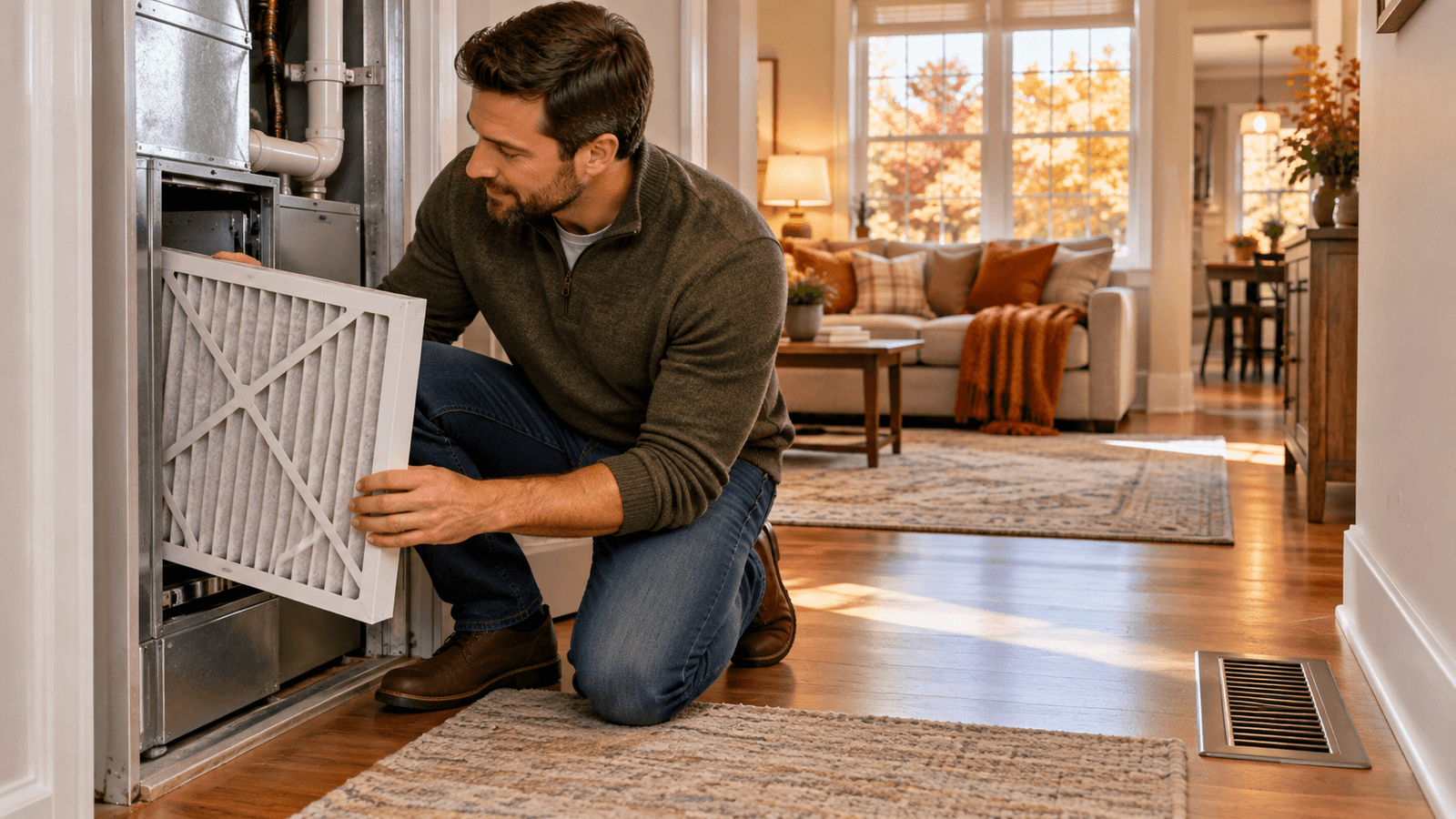
Before the first real cold spell, make sure your heating system is working properly.
Start with the basics:
- Replace the HVAC filter
- Turn on the heat to make sure it works
- Listen for unusual noises
- Check that warm air is coming through the vents
- Schedule professional maintenance if it has been a while
Waiting until the first freezing day can be a mistake because service companies often get busy when everyone starts having heating issues at the same time.
2. Clean your gutters
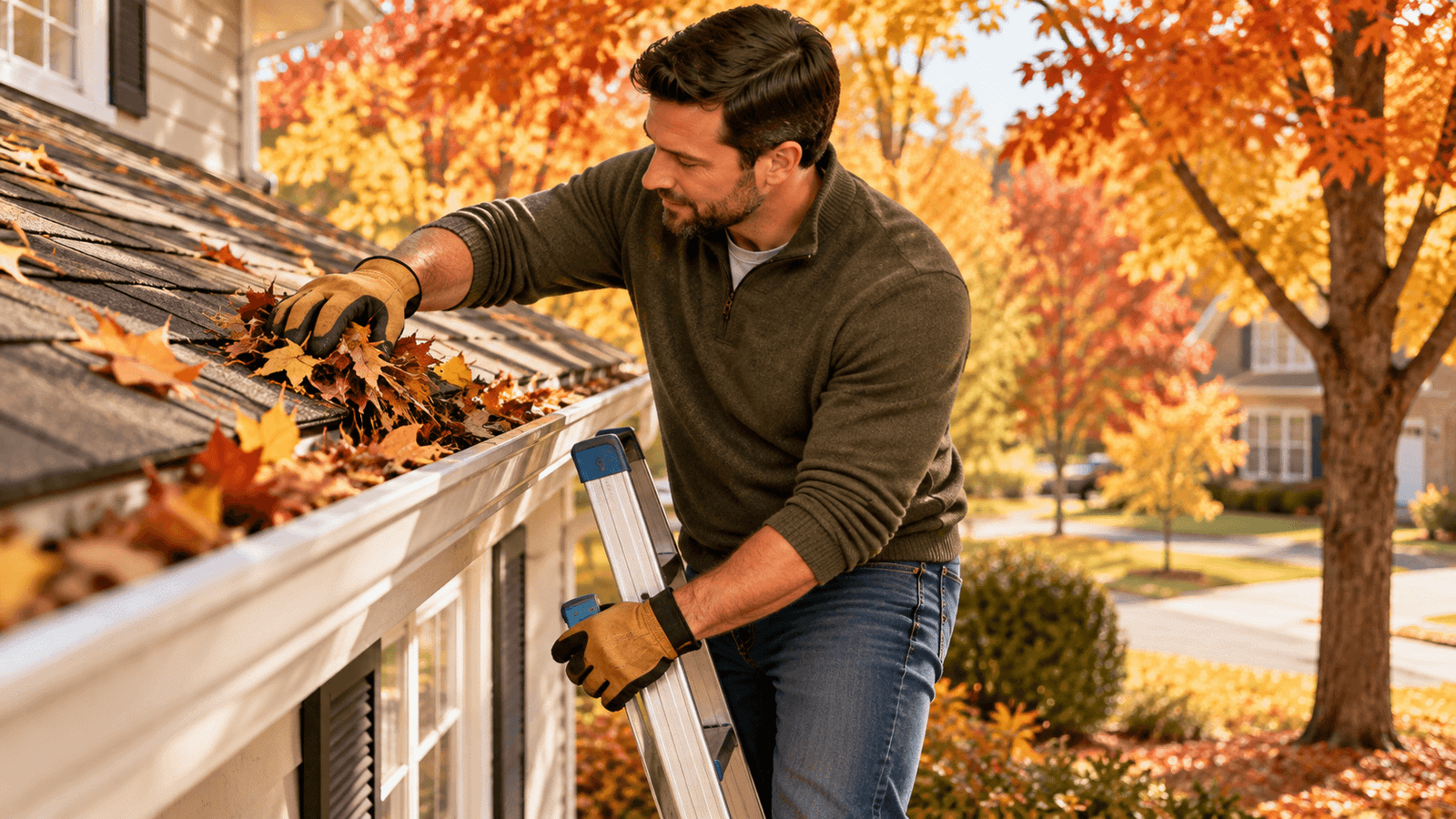
During the fall, leaves can quickly build up in gutters and downspouts.
If water cannot drain properly, it can cause problems such as:
- Roof leaks
- Water damage
- Moisture near the foundation
- Ice buildup during winter
- Damage to fascia or siding
Cleaning your gutters in October can help prevent more expensive problems later.
If your home has many trees nearby or you are not comfortable using a ladder, consider hiring a professional.
3. Inspect doors and windows
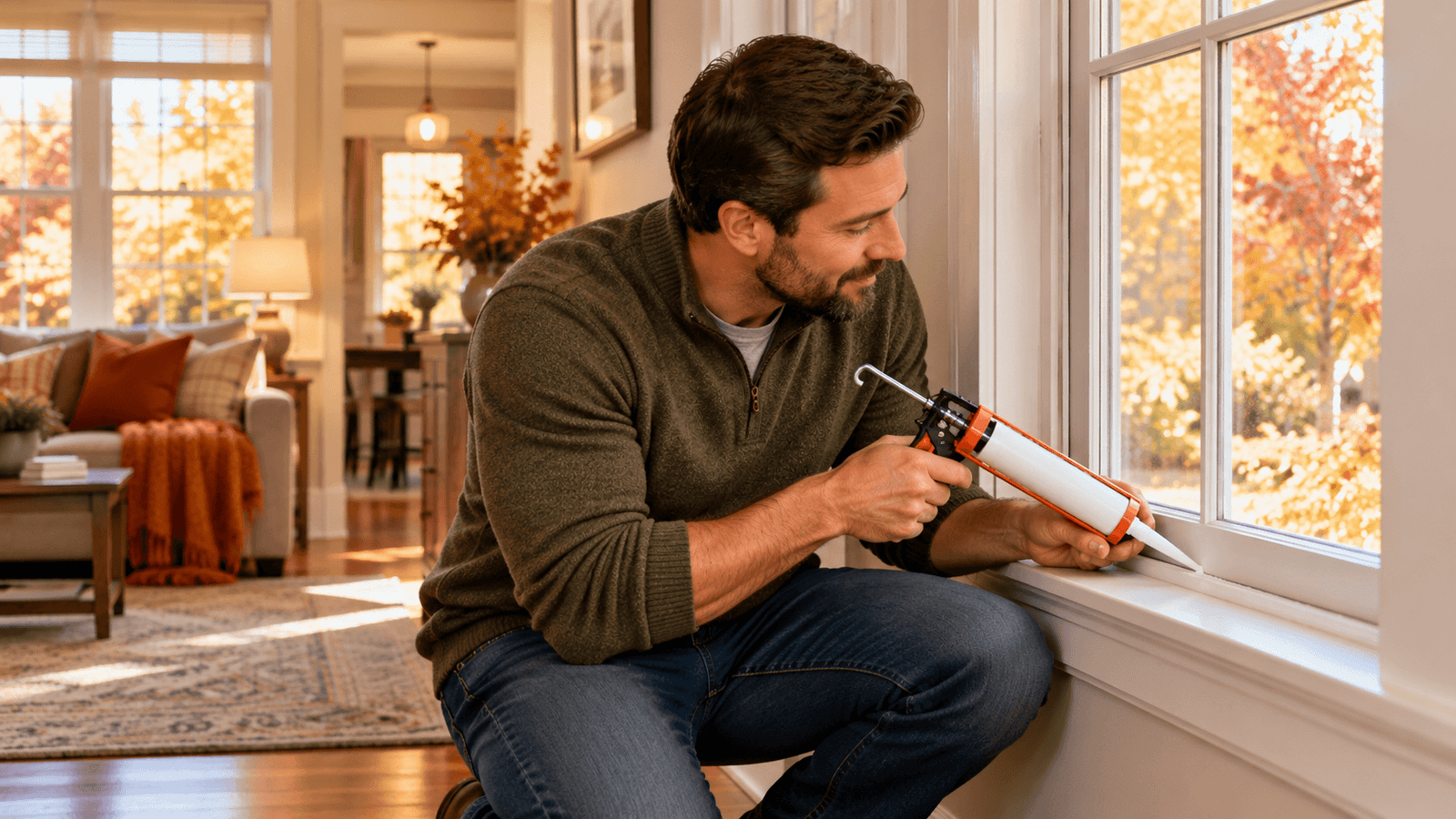
Doors and windows are common areas where cold air can enter the home.
Before winter, check for drafts around:
- Windows
- Exterior doors
- Garage doors
- Frames
- Basement areas
- Attic access points
Weatherstripping, caulk, or sealant can help close small gaps and improve comfort.
This type of maintenance can also reduce the strain on your heating system.
4. Look over the roof
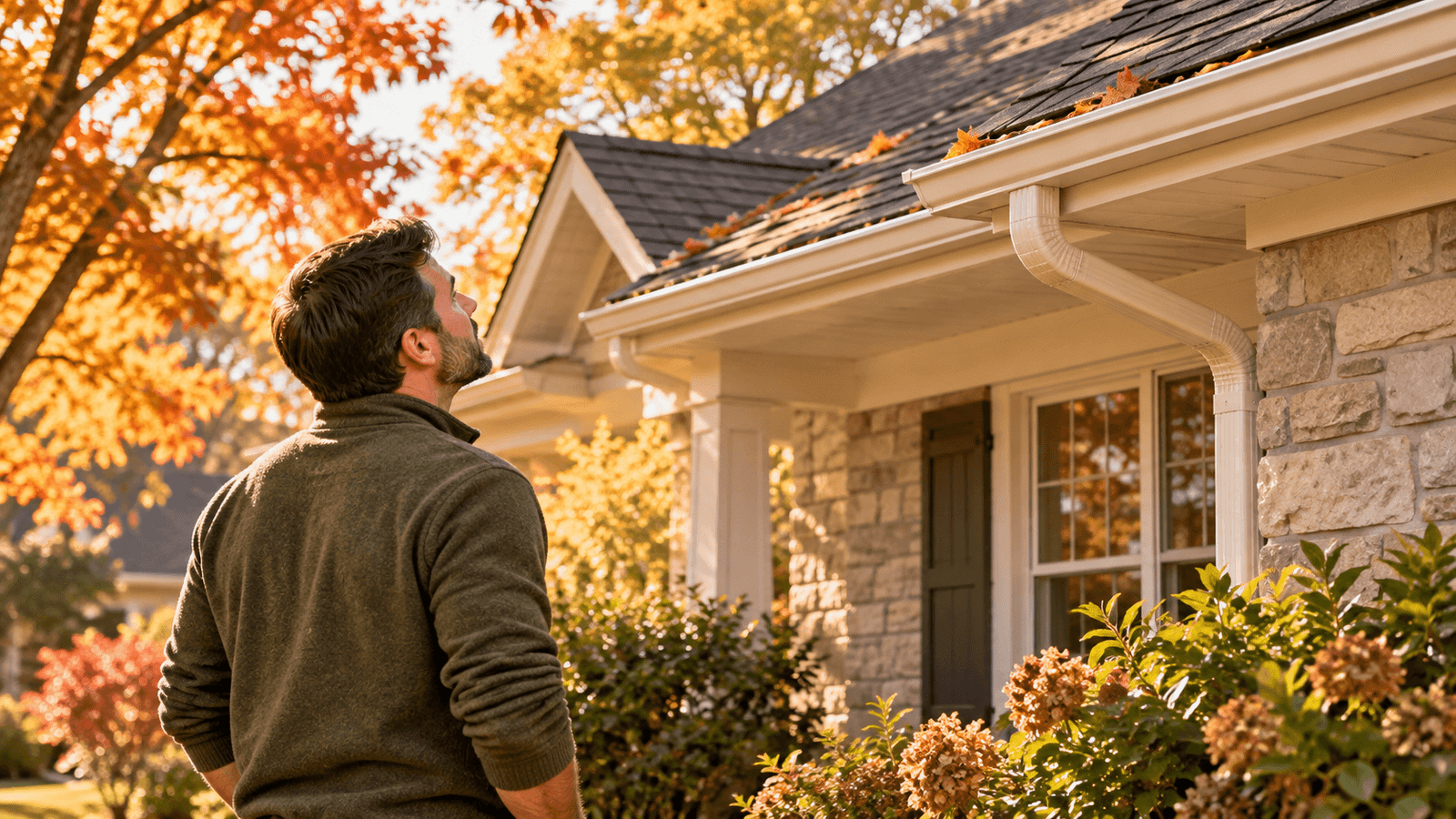
You do not need to climb onto the roof to do a basic visual check.
From the ground, look for:
- Missing or lifted shingles
- Visible wear
- Branches touching the roof
- Loose or damaged gutters
- Water stains on interior ceilings
- Moisture signs in the attic
Your roof is one of the most important parts of your home. Catching small issues before winter can help prevent bigger damage from rain, snow, or ice.
5. Prepare exterior pipes and faucets
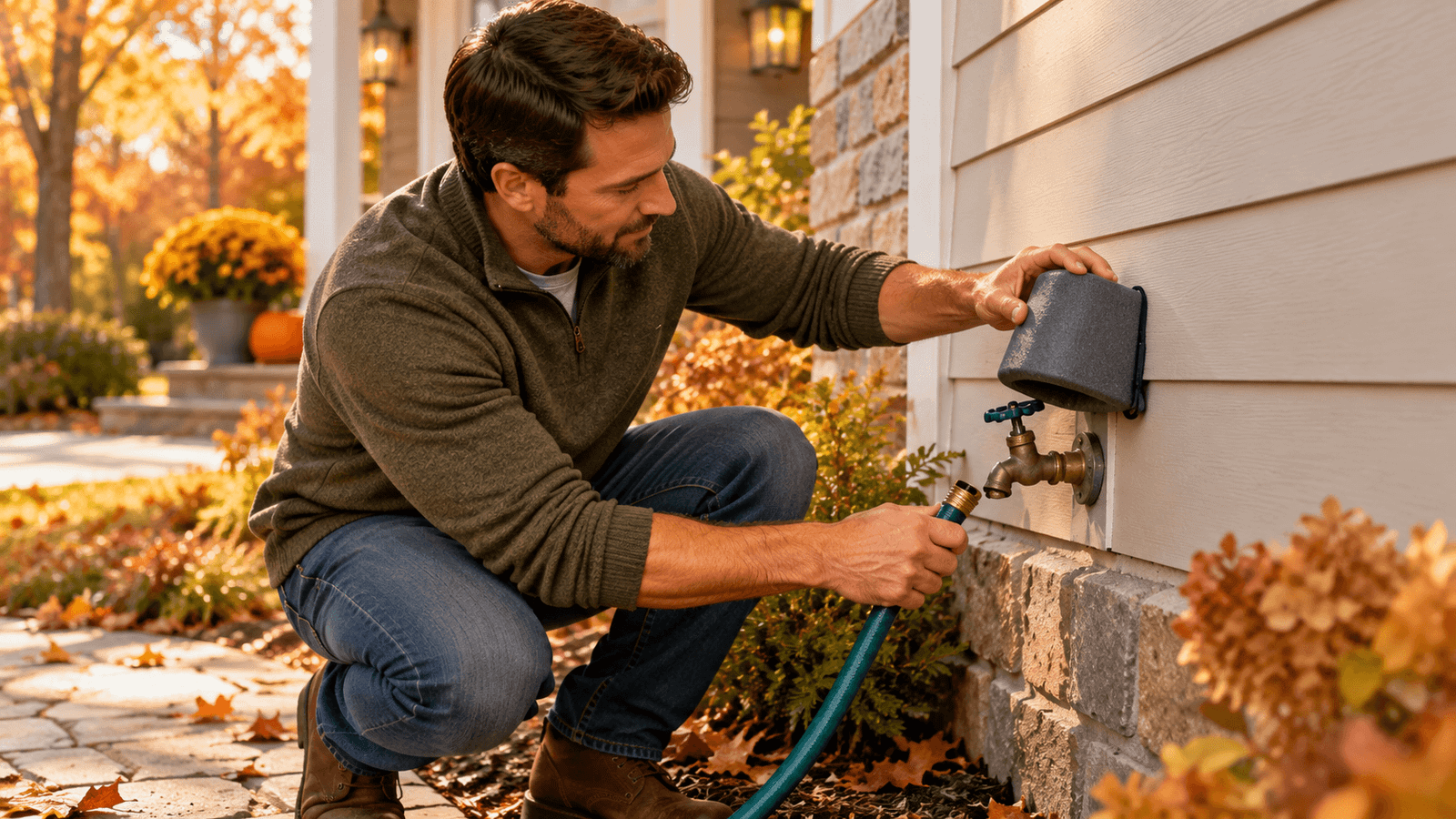
Before freezing temperatures arrive, check exterior water sources.
Good steps include:
- Disconnecting garden hoses
- Draining exterior water lines, if applicable
- Covering outdoor faucets
- Checking pipes in colder areas such as garages, crawl spaces, or basements
Frozen pipes can cause serious damage. This is a simple step, but it matters.
6. Test smoke and carbon monoxide detectors

During winter, many households use heating systems, fireplaces, space heaters, and gas appliances more often.
October is a good time to test:
- Smoke detectors
- Carbon monoxide detectors
- Batteries
- Expiration dates
- Detector locations
This is a safety step every homeowner should take seriously.
7. Prepare the fireplace
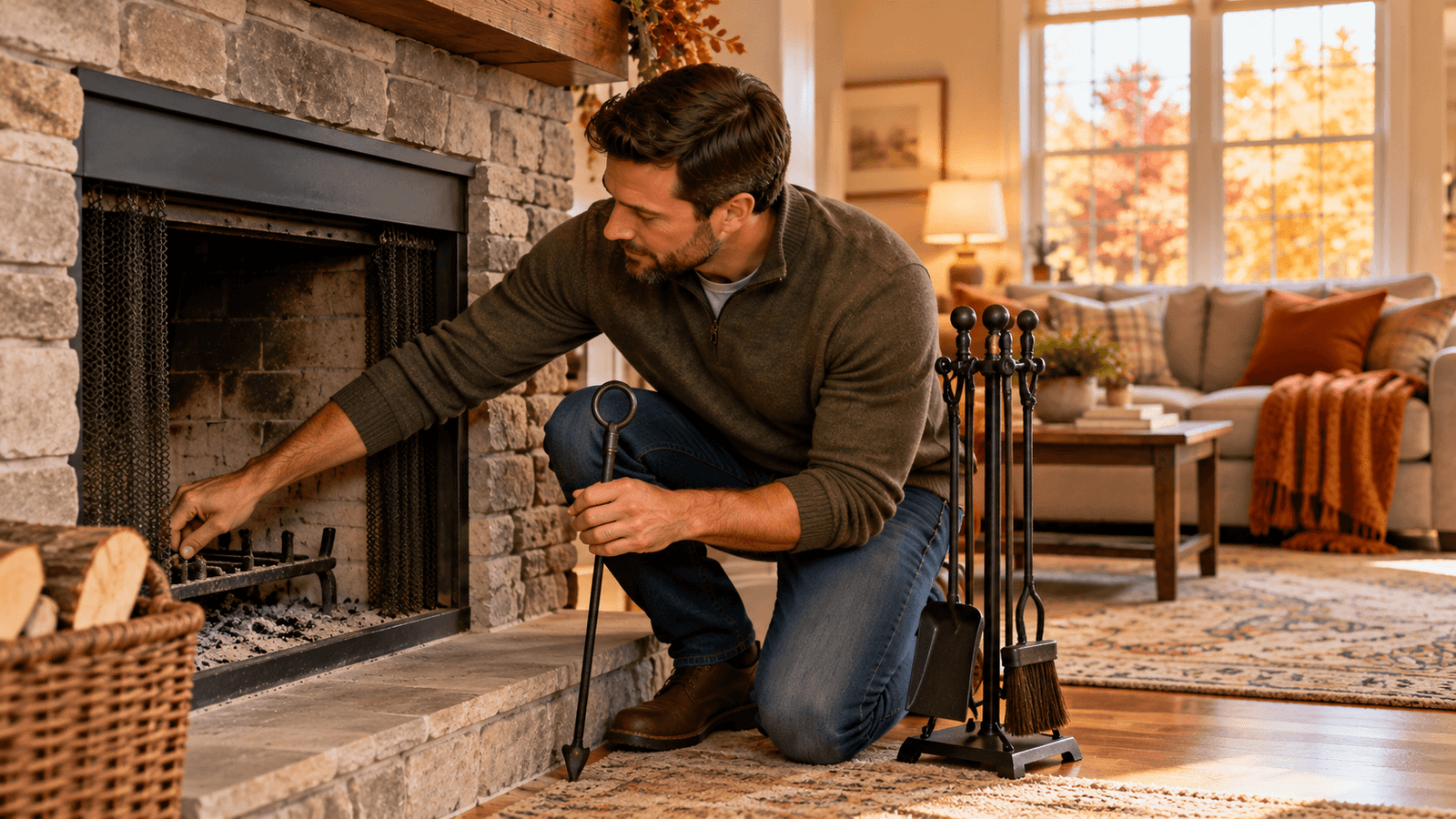
If your home has a fireplace, do not wait until the first cold night to use it.
Before lighting a fire, check:
- Whether the chimney needs cleaning
- If there are blockages
- Whether the damper works
- Any unusual odors
- Any signs of damage
A dirty or blocked fireplace can be dangerous. If it has not been inspected recently, consider scheduling a professional chimney inspection.
8. Organize the exterior of the home

Your outdoor areas also need attention before winter.
Review:
- Patio furniture
- Grill
- Planters
- Garden tools
- Fallen leaves
- Branches near the house
- Exterior lights
- Walkways and driveways
Storing or protecting outdoor items can prevent damage from cold, wind, rain, or snow.
Depending on your area, this may also be a good time to prepare salt, a snow shovel, or ice melt.
9. Check drainage around the home
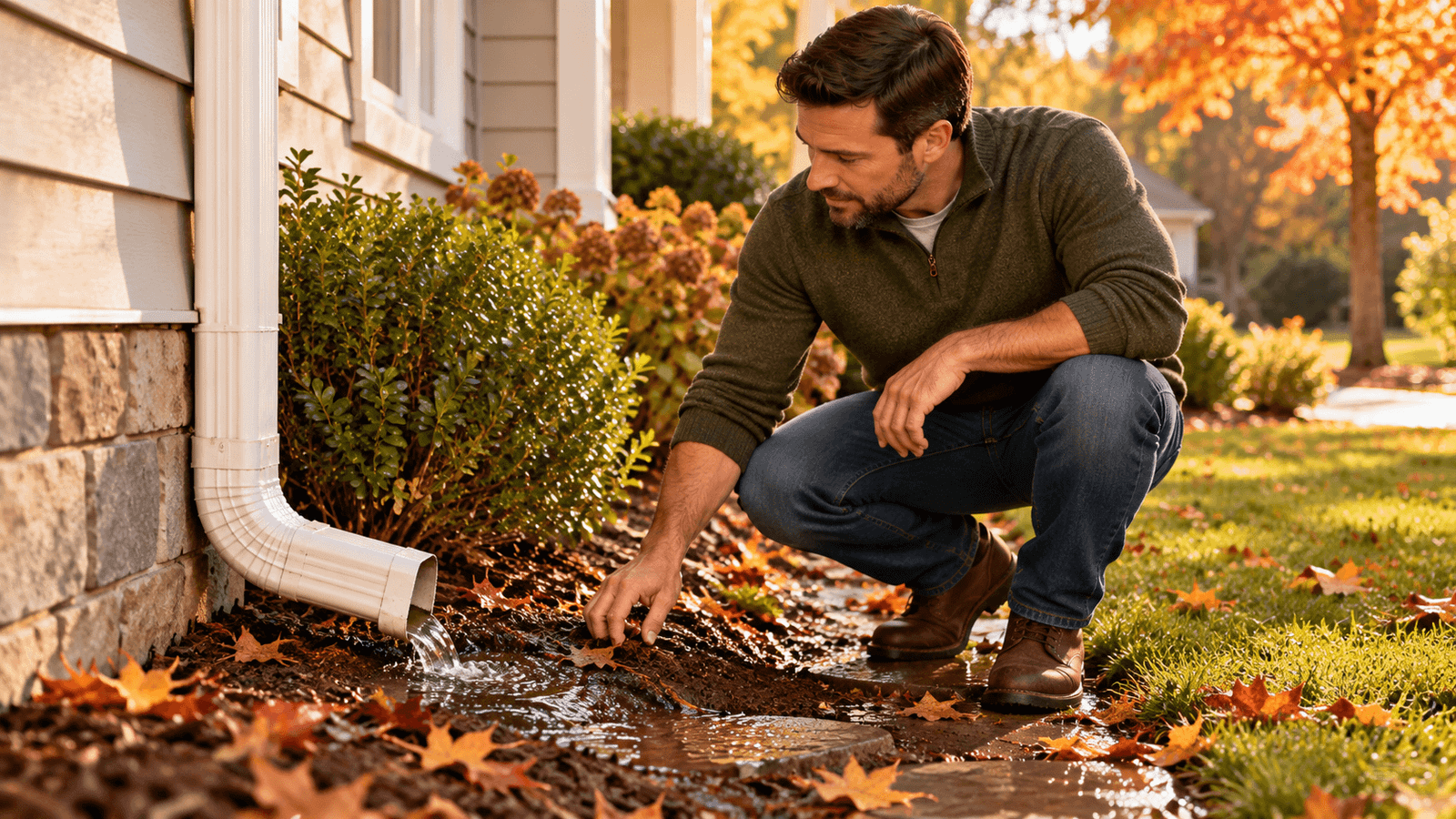
Water should move away from your foundation, not toward it.
Walk around your property and check:
- Whether the ground slopes toward the house
- If downspouts release water too close to the foundation
- Areas where water collects
- Visible cracks near the foundation
- Any history of basement moisture
Proper drainage can help protect your foundation and reduce moisture issues.
10. Make a list of small repairs
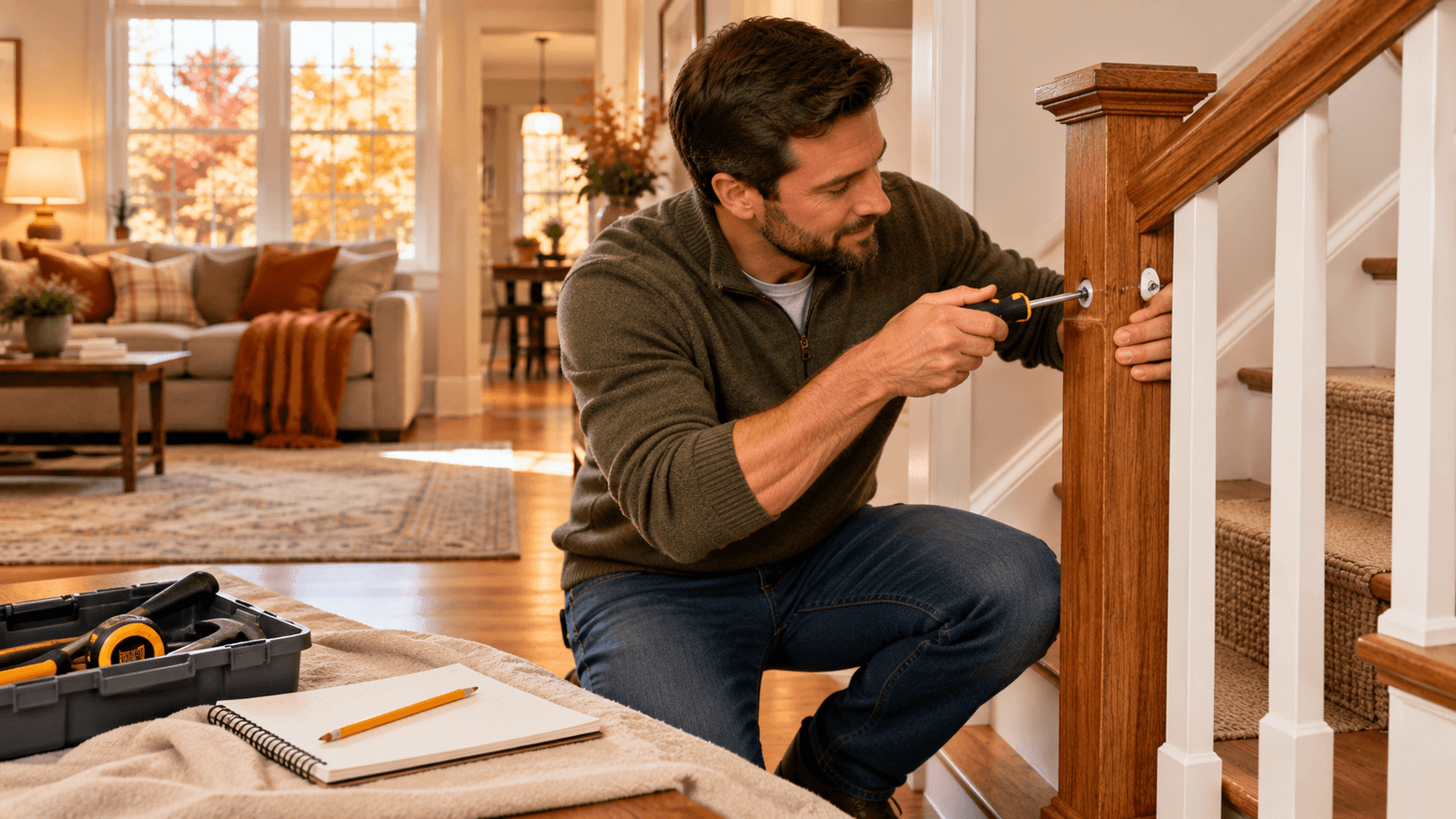
October is also a good time to write down repairs you have been postponing.
For example:
- Small leaks
- Doors that do not close properly
- Windows that are hard to open
- Deteriorated caulk
- Burned-out exterior lights
- Loose railings
- Small cracks
- Moisture concerns
Small repairs can turn into larger problems if they are ignored during winter.
Why preparing your home matters
Preparing your home for winter is not just about maintenance. It is about protecting your investment.
For many homeowners, their home is one of their biggest assets. Regular maintenance can help you:
- Avoid costly repairs
- Keep your household comfortable
- Protect your property value
- Reduce winter-related risks
- Stay prepared if you decide to sell in the future
Even if you are not planning to sell, a well-maintained home is usually safer, more comfortable, and more valuable.
Quick October homeowner checklist
Before October ends, review:
- Heating system / HVAC
- Air filters
- Gutters
- Roof
- Doors and windows
- Exterior faucets
- Smoke and carbon monoxide detectors
- Fireplace
- Drainage
- Patio and exterior areas
- Small repairs
You do not have to handle everything alone. But having a plan can help you stay ahead of winter problems.
Final thoughts
October is the perfect time to prepare your home for winter.
A little maintenance now can help you avoid stress, expenses, and preventable issues later.
As a homeowner, taking care of your home is part of protecting what you have built.
And if you are thinking about making improvements, understanding your home’s current value, or deciding which repairs may have the biggest impact, our team can help.
At Impact Real Estate, we are here to help you care for, understand, and protect your investment.
This information is for educational purposes only and does not replace the advice of contractors, inspectors, HVAC technicians, chimney professionals, or other licensed specialists. Every property should be evaluated individually.