
Move-In Ready vs. Fixer-Upper: What Should You Buy?
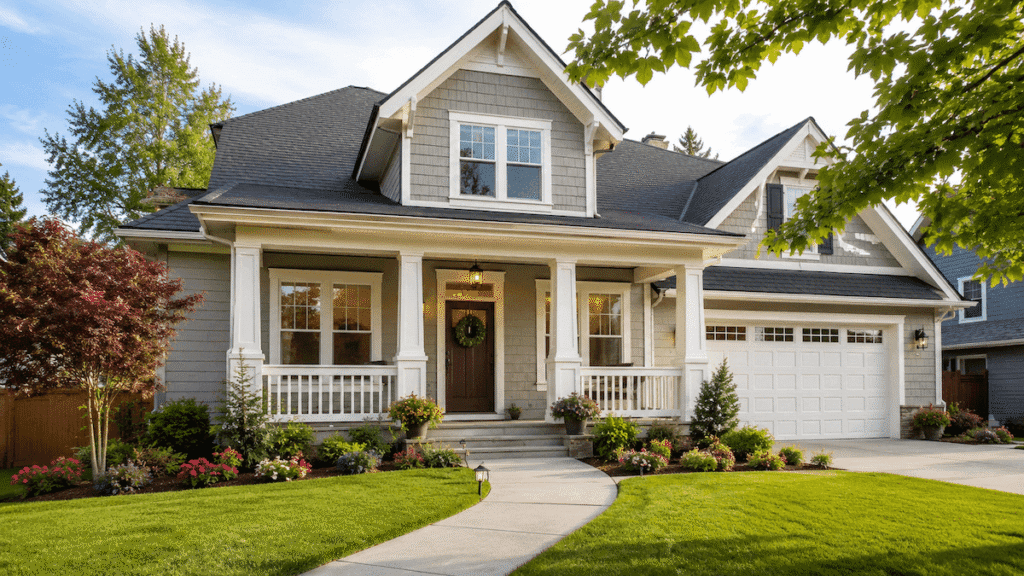
When you are looking for a home, you will usually find two types of properties.
Some homes are move-in ready.
Others may be priced lower, but need work.
At first, a fixer-upper can feel like a great deal. But before you focus only on the price, it is important to understand what you are actually buying.
The right home is not always the cheapest home. The right home is the one that fits your budget, financing, lifestyle, and ability to handle repairs after closing.
What does move-in ready mean?
A move-in ready home is a property that is livable and ready for the buyer to move in without major repairs.
It does not mean the home is perfect. It does not mean the kitchen is brand new, the bathrooms are fully updated, or every finish matches your taste.
It means the home is in functional condition.
A move-in ready home typically has:
- Working plumbing
- Functional electrical systems
- Heating and cooling systems in acceptable condition
- A roof in reasonable condition
- Usable kitchen and bathrooms
- No major visible safety or habitability concerns
- No large repairs needed before moving in
In simple terms, it is a home you can live in right away while making cosmetic updates over time.
Why does this matter when financing a home?
The condition of the property can affect financing.
Not every loan program allows a buyer to purchase a home in poor condition. If the home has major safety, structural, or habitability issues, the lender may require repairs before approving the loan.
This is especially important for first-time buyers or buyers using specific financing programs.
Before making an offer, your real estate agent and lender should help you understand whether the property condition works with your loan type.
Benefits of buying a move-in ready home
A move-in ready home can be a smart option, especially for buyers who want a smoother and more predictable purchase.
Some benefits include:
- You can move in sooner
- You may have fewer immediate repair costs
- The home may be easier to finance
- There is less uncertainty after closing
- You can focus on settling into the home
- You can make updates gradually over time
For many first-time buyers, a move-in ready home can offer more peace of mind.
Move-in ready does not mean perfect
This is an important point.
A move-in ready home may still need cosmetic updates.
The kitchen may be older.
The bathrooms may not be modern.
The floors may not be your favorite.
You may want to paint or replace light fixtures.
That does not automatically make it a bad home.
Sometimes a good first home is not the dream home. It is the home that helps you start building equity and stability.
What about a fixer-upper?
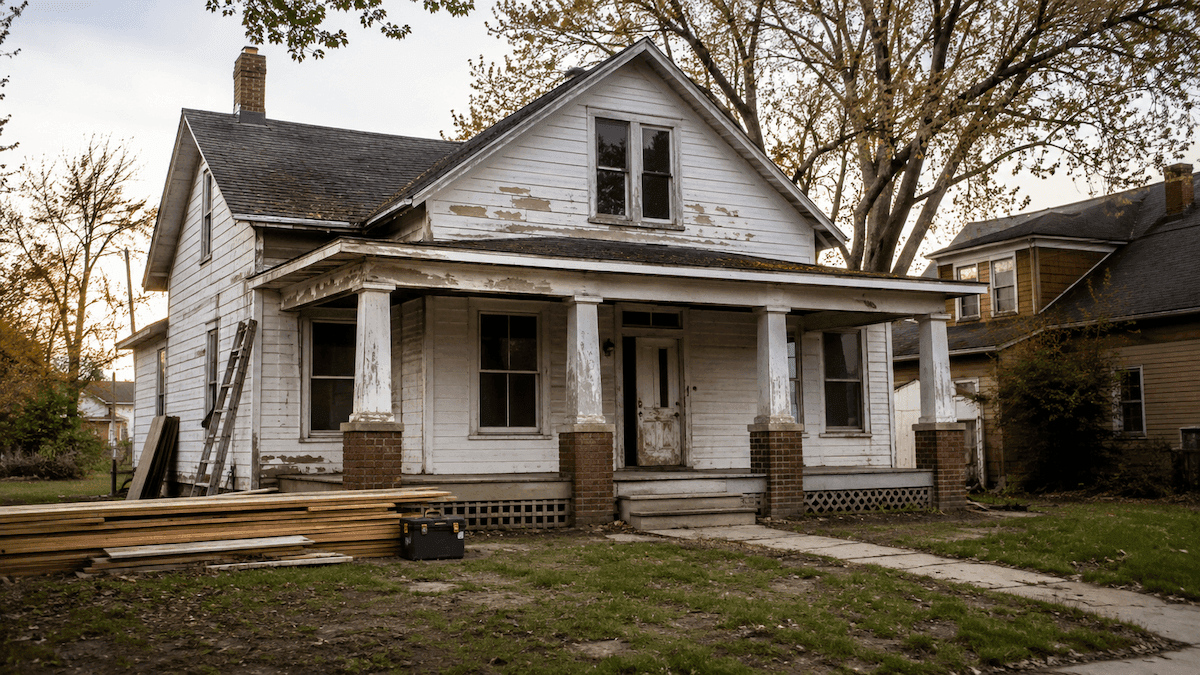
A fixer-upper is a home that needs repairs or updates.
Some fixer-uppers need simple cosmetic work. Others need serious repairs that can quickly become expensive.
Common repairs may include:
- Roof replacement
- HVAC repairs or replacement
- Electrical updates
- Plumbing repairs
- Window replacement
- Flooring
- Kitchen or bathroom renovations
- Moisture or water damage repairs
- Structural concerns
There is a big difference between painting walls and replacing major systems.
Before buying a fixer-upper, you need a clear understanding of the cost, timeline, and risk.
Benefits of buying a fixer-upper
A fixer-upper can make sense for the right buyer.
Possible benefits include:
- Lower purchase price
- Less competition from other buyers
- Opportunity to customize the home
- Potential to build value through improvements
- More options in areas where updated homes are expensive
For experienced buyers, investors, or buyers with additional cash for repairs, a fixer-upper can be a good opportunity.
But it is not the right fit for everyone.
Risks of buying a home that needs major work
The biggest risk is underestimating the cost of repairs.
Many buyers see a lower price and think:
“I can fix it little by little.”
Sometimes that works. But sometimes those “small repairs” turn into thousands of dollars in unexpected costs.
Before buying a home that needs work, ask yourself:
- Do I have money left after closing for repairs?
- Can I live in the home while repairs are being completed?
- Does my loan allow this property condition?
- Do I have reliable contractors?
- Do I understand the real cost of the repairs?
- Am I prepared for delays or unexpected issues?
- Are there safety or habitability concerns?
If you are unsure about several of these answers, be careful.
The home inspection matters
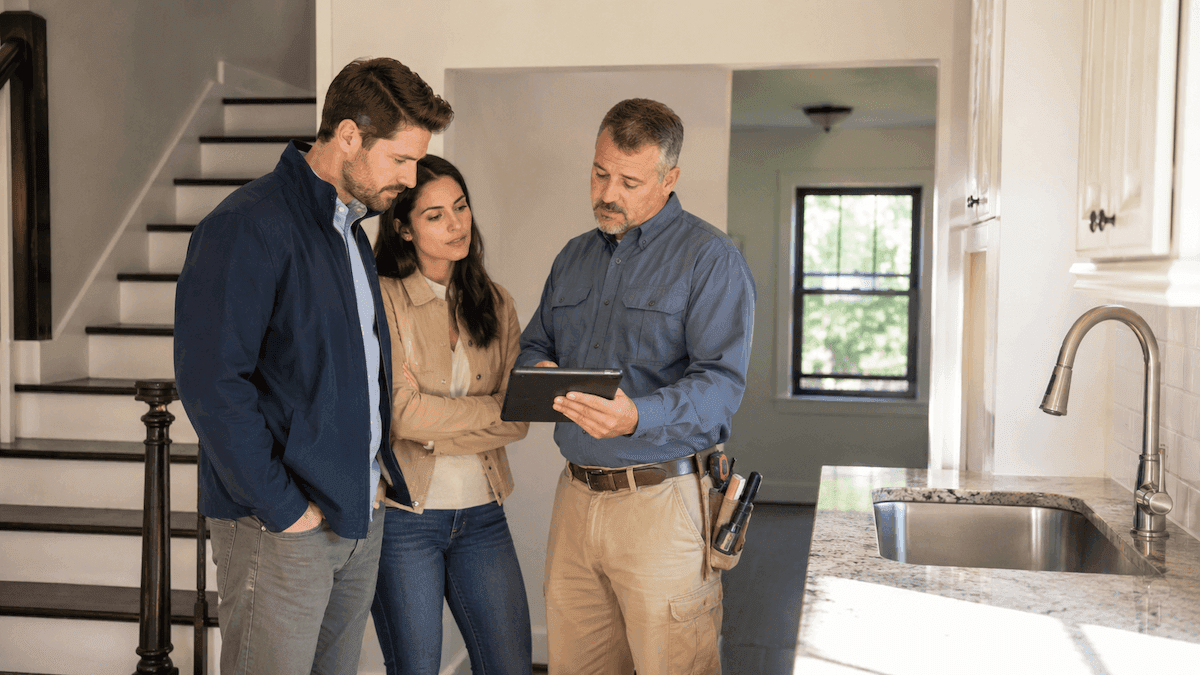
A home inspection is one of the most important parts of the buying process.
An inspector can help identify visible concerns and give you a clearer picture of the home’s condition.
After the inspection, you may decide to:
- Move forward with the purchase
- Ask the seller for repairs
- Negotiate seller credits
- Revisit whether the home works with your financing
- Walk away if the issues are too serious
The inspection does not guarantee that everything is perfect, but it can help you make a more informed decision.
Which option is better for you?
A move-in ready home may be a better fit if:
- You are a first-time buyer
- You do not have much extra cash for repairs
- You want to move in quickly
- Your financing requires the property to be in good condition
- You do not want to manage major renovations
- You want more stability from day one
A fixer-upper may be a better fit if:
- You have extra money available for repairs
- You understand renovation costs
- You have contractor support
- You can wait before moving in
- Your loan allows the property condition
- You are looking for long-term value or investment potential
There is no one-size-fits-all answer. The best choice depends on your finances, loan program, timeline, and comfort level with risk.
Do not buy based on price alone
A cheaper home is not always the more affordable home.
If a property needs major repairs and you do not have the funds to complete them, the home can become more stressful and expensive than expected.
In some cases, paying more for a home in better condition may be the smarter financial decision.
This is especially true if you are using financing that requires the home to meet certain property standards.
Talk to your team before making an offer
Before choosing between a move-in ready home and a fixer-upper, talk with your real estate agent and lender.
You should understand:
- What property condition your loan allows
- Which repairs could affect approval
- How much cash you need to close
- How much money you will have available after closing
- Whether the home is a smart fit for your long-term goals
A strong real estate team does more than help you find a house. They help you avoid costly mistakes.
Final thoughts
Buying a home is one of the biggest financial decisions you will make.
A fixer-upper can be a great opportunity for the right buyer, but it can also come with more risk, more expenses, and more uncertainty.
A move-in ready home may not be perfect, but it may offer more stability, easier financing, and fewer surprises after closing.
The goal is not to find the perfect home.
The goal is to find the right home for your budget, your financing, and your future.
Ready to find the right home?
If you are thinking about buying and are not sure whether a move-in ready home or fixer-upper is the better option, our team can help you review your goals, budget, loan options, and property condition before you make an offer.
Contact Impact Real Estate today to schedule a consultation and take the next step toward homeownership.
Your first home does not have to be perfect. But it should be a smart decision.
This information is for educational purposes only and does not represent financial, legal, mortgage, construction, or inspection advice. Every buyer, loan, and property should be reviewed individually. Loan approval depends on lender review, financing type, buyer documentation, property condition, and program requirements.